Table of Content
This typically includes the option to live in senior apartments, active senior housing, independent living units, assisted living facilities, nursing homes, and hospice care centers. Every type of housing you might utilize as a senior is available to you in most CCRCs. This allows you to transition to different types of senior living without having to pay more money for housing or senior care services throughout your retirement years. SeniorHousingNet.com offers seniors and their loved ones senior living listings and resources. On our website you can find a community that is right for your situation, whether you are looking for 55+ Apartments or nursing homes. For instance, seniors who are healthy and active may be interested in 55+ Lifestyles (also known as 55+ Communities) and Independent Living Facilities.

SeniorLiving.org is compensated when you click on the provider links listed on this page.
Woodside Manor Nursing Home
Ways to save money on a CCRC are to avoid selecting a larger living unit and prepay for your care. People tend to pay for assisted living with more than one funding source. Spending a few hours with a geriatric planner could be very valuable.
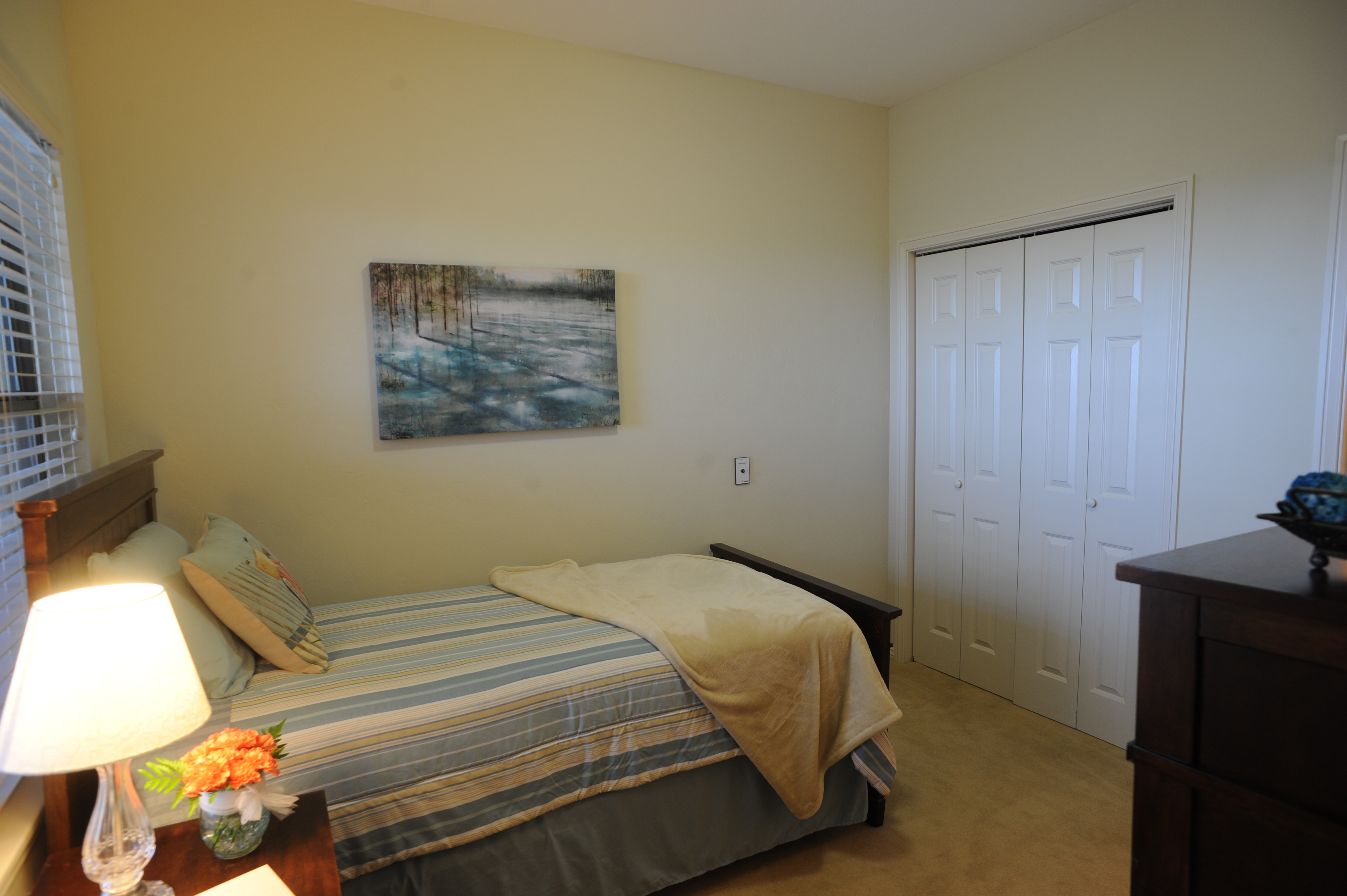
There is often a fitness room with well-maintained equipment and walking trails. Social groups often use the common area as a meeting point and hold meetings and events for members. There are generally three pricing categories of senior living apartments—affordable, market rate, and luxury — though you may not find all three in every market. You couldn't ask for a better address at Archdale Senior apartments.
Property Types
These senior living communities generally do not allow a resident less than 19 to be a permanent resident of the unit. 55 and over senior citizen apartments and 55 plus communities are designed with the senior in mind. There is usually a community of homes, either freestanding condos, mobile homes or apartment style. There is usually a central clubhouse or common area for use by the residents.

If you're still trying to find housing or care in your area, visit our senior housing finder tool to help narrow down your options. The National Hospice and Palliative Care Organization states that hospice care workers are on call 24/7 and also provide scheduled visits according to the level of care of the patient. A hospice team includes nurses, social workers, clergy members, physicians, and home health aides that work together to provide a caring environment for the end of life. Medicare, Medicaid, and most private insurance plans cover hospice care whether in a facility or in the home. According to the Genworth Cost of Care Survey, private rooms cost an average of $297 per day or around $108,405 annually. For semiprivate rooms, you're looking at a slightly lower cost per day of around $260, which adds up to roughly $94,900 per year.
Senior housing near PHILADELPHIA, Pennsylvania:
This is why most senior citizens transition out of in-home senior care and into a retirement community or other senior housing option. There is the option of using adult day care or respite care services. Yet when a senior becomes isolated, depressed, in danger due to security threats, or loses their mobility, then it is time to transition to another type of senior living. Both options are great for older adults, but it all boils down to preference and need.

Some nursing homes offer pet care services such as dog walking, litter scooping and pet grooming. Much more common though are nursing homes with their own dogs and cats for all residents to love. Continuing care retirement communities have on-site care in case residents temporarily or permanently need home health care, personal care support or other in-home care. Within a retirement community, aging adults live in their own homes within a group of homes set aside for members. This setup allows older adults to take advantage of one of the most-needed aspects of a senior lifestyle — socialization. Some people live in apartments all their lives and some have never been in an apartment at all.
For seniors who are living an active lifestyle and want to continue working or being active in their own community, active senior housing is the way to go. This type of retirement community is open to seniors over age 55, which is younger than the typical demographics of assisted living or nursing homes. In active senior housing, you are provided with an apartment, townhouse, condo, or single-family dwelling. The major selling point of this housing option is the services and amenities.
Once you choose an apartment, it is time to finance your housing solution. For older adults who have retirement savings set aside, this is the optimal way to pay for senior apartments. For low-income seniors, there are HUD-sponsored apartments that offer more affordable monthly rent based on one’s income. Luxury senior living apartments for many older adults may be their second home and are often located in cities close to cultural activities. They are larger, up to 2,000 square feet, and provide dozens of upscale amenities for their residents. Many senior apartment complexes have a clubhouse geared towards senior activities and socializing.
When apartments are advertised as pet-friendly, generally they include indoor cats and small or medium-sized canine companions. HUD makes exceptions for those under the minimum age if the person is handicapped. These communities are usually noted as “age-qualified” in their marketing brochures. Homeowners might be restricted to keeping dogs of a certain size or breed, especially when living quarters are close. They might also need to follow policies about fish tanks, exotic pets and outdoor cats.
At the same time, within a retirement community, seniors maintain varying degrees of autonomy. In some retirement communities, seniors are able to come and go as they please, as long as they respect quiet hours. For older adults who are just entering retirement age or still living an active life, this is an optimal setting for them.
This rule states that only 80 percent of these apartments must go to seniors, while 20 percent can be rented to residents regardless of age. Therefore, by this exception, you may be able to have your child or grandchild live with you in low-income senior apartments. For senior apartments that are set aside for adults over 62, there is no way that children can live in these units with older adults. These senior apartments have a strict age policy and offer no exceptions to the rule. If you have a spouse and they are over age 55, then they are able to live with you.





No comments:
Post a Comment